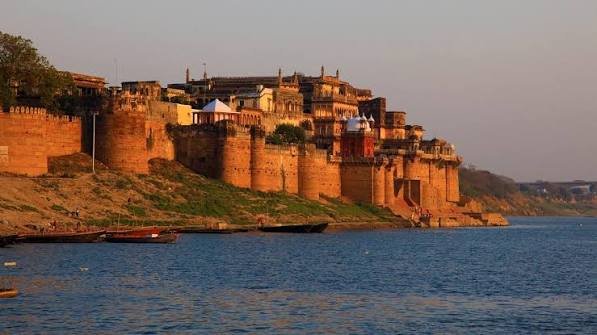
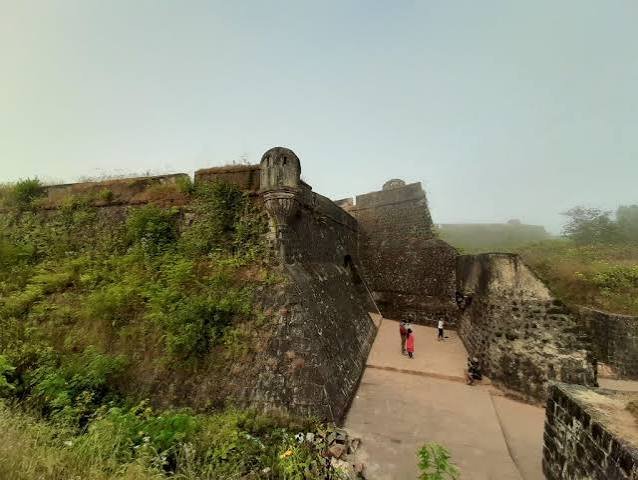
Ask ten people why they went to Nahargarh Fort, and eight will say the same thing — sunset. Perched on the Aravalli ridge above Jaipur, this fort has quietly become less about history books and more about that one golden hour when the entire Pink City turns amber below you. But there’s a lot more happening here than a good photo spot, and most visitors walk past it without realizing.
| At a Glance | Details |
| Built by | Sawai Jai Singh II |
| Year built | 1734 |
| Location | Aravalli Hills, northern Jaipur |
| Timings | 10:00 AM – 5:30 PM (extended hours in peak season) |
| Entry fee (Indian) | ₹100 (revised Jan 2026) |
| Entry fee (Foreigner) | ₹600 (revised Jan 2026) |
| Famous for | Sunset views, Madhavendra Bhawan |
| Time needed | 2–3 hours |
Why the Fort Was Built in the First Place
Sawai Jai Singh II, the same ruler who planned Jaipur city itself, commissioned Nahargarh in 1734 as part of a three-fort defence system, working alongside Amber Fort and Jaigarh Fort to guard the capital from higher ground. Together, these three forts formed a watch-line along the ridge, connected in parts by fortification walls that still trace the hills today.
The name itself carries a local legend. It’s said to be linked to Nahar Singh Bhomia, a spirit whose presence reportedly disturbed construction work until royal rituals were performed to appease him — a story locals still retell to visitors climbing the fort steps. Decades later, in 1857, the fort took on a different role entirely, sheltering European residents during the uprising that shook much of northern India that year.
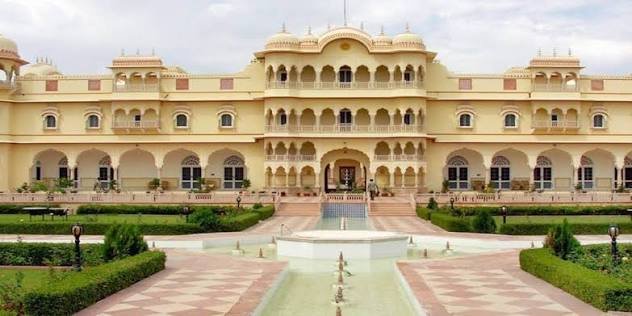
It wasn’t until Sawai Madho Singh II’s reign that the fort gained its most recognisable feature — Madhavendra Bhawan, a residential wing built specifically for royal family use rather than for defence.
Madhavendra Bhawan Changes the Character of the Place
Walk past the outer ramparts and the fort suddenly softens. Madhavendra Bhawan is a cluster of identical apartments, twelve in total, designed so that the king’s queens could stay under one roof without any single suite appearing grander than another — a small architectural gesture that says a lot about court politics of the time. Delicate murals cover several interior walls, and the corridors connecting each suite are narrow enough to feel private, almost domestic, in contrast to the fort’s heavy exterior.
Beyond the palace wing, a few other spots draw steady footfall:
- The fort’s ramparts, which run along the ridge and offer uninterrupted views of Jaipur’s grid-like layout below
- Padao restaurant, popular for evening dining with a direct view of the sunset
- A separately ticketed Wax Museum and Sheesh Mahal, which some visitors mistake for being included in the standard fort ticket
- Telescope points near the viewing areas, useful for picking out landmarks like Jal Mahal in the distance
When to Actually Go
Timing your visit here matters more than at most Jaipur monuments, because the fort essentially offers two different experiences depending on when you arrive.
- 10:00 AM to 11:30 AM — quieter, cooler, and ideal if you want to actually explore Madhavendra Bhawan without weaving through crowds.
- Avoid 11:30 AM to 3:00 PM, particularly between April and September, when the exposed ramparts turn into a heat trap.
- 4:00 PM onward — this is when the fort fills up fast, especially on weekends, as everyone times their arrival for sunset.
October through March remains the most comfortable stretch overall, with clearer skies and cooler evenings that make the sunset view genuinely worth the crowd.
Nahargarh Fort Timings
The fort generally operates from 10:00 AM to 5:30 PM, though the palace and ticket counters are what actually close at that hour — outdoor viewpoints and the restaurant areas inside often stay accessible later for sunset visitors, sometimes stretching toward 9:00 or 10:00 PM during peak season. Since these extended hours aren’t uniformly confirmed across all sources, it’s worth checking the live timing on the official Rajasthan tourism ticketing portal if you’re planning a late visit.
Ticket Prices, and Why Older Blogs Get This Wrong
Rajasthan revised entry fees for its state-controlled monuments starting January 1, 2026, and Nahargarh’s pricing changed along with it. A lot of older travel blogs still circulate the previous rates, so don’t be surprised if you see conflicting numbers while researching.
Under the current structure:
- Indian adult: ₹100
- Indian student (with valid current ID): ₹50
- Foreign adult: ₹600
- Foreign student (with valid ID): ₹300
- Children up to 7 years: free entry at most state monuments, though it’s best to confirm at the counter
If you’re planning to see multiple Jaipur monuments in one trip, the composite ticket often works out cheaper — recent listings put it around ₹550 for Indian citizens and ₹1,700 for foreign citizens for a two-day pass covering several attractions. Note that City Palace and Jaigarh Fort are managed separately and may not always fall under this composite ticket, so it’s worth checking the current inclusion list before buying.
Getting to Nahargarh
The fort sits close to 20 km from Jaipur’s railway station and main bus stand, and a taxi or rented car is generally the most practical way to reach it, since public transport options up the hill are limited. If you’re combining it with Amber Fort or Jaigarh Fort in the same day, arranging a single cab for the loop saves both time and money.
Quick Facts Worth Knowing
- Nahargarh Fort appeared prominently in the Bollywood film Rang De Basanti, which boosted its popularity significantly among domestic tourists.
- The fort’s design deliberately avoids hierarchy among the queen’s apartments in Madhavendra Bhawan — all twelve suites are identical.
- It’s part of a defensive trio with Amber Fort and Jaigarh Fort, connected historically by a shared fortification wall.
- The Wax Museum and Sheesh Mahal inside the fort require a separate ticket, priced independently from the base fort entry.
FAQs
Q1. Is the Wax Museum inside Nahargarh Fort included in the regular entry ticket?
No. The Wax Museum and Sheesh Mahal require a separate ticket, priced apart from the standard fort entry fee. Many first-time visitors assume it’s bundled in and are surprised at the extra counter.
Q2. Do I need to book Nahargarh Fort tickets online in advance?
It isn’t mandatory, but booking online through the official Rajasthan ticketing portal helps avoid queues, especially if you’re arriving close to sunset when footfall peaks sharply.
Q3. Is Nahargarh Fort worth visiting if I’ve already seen Amber Fort?
Yes, for a different reason — Amber Fort impresses with scale and grandeur, while Nahargarh offers something quieter: sweeping views and a more relaxed, romantic atmosphere, particularly at sunset.
Q4. Are the extended evening timings at Nahargarh Fort guaranteed year-round?
Not necessarily. Extended hours for sunset viewing are more commonly available during peak season between October and March, so it’s best to confirm current timings before planning a late visit.