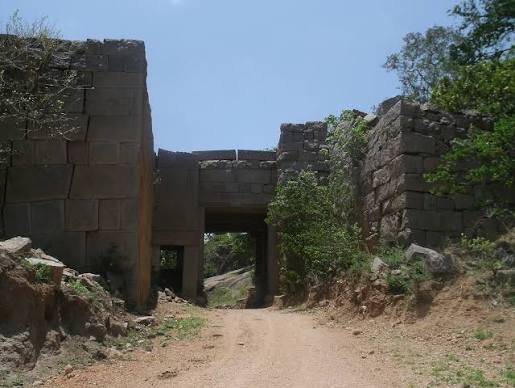
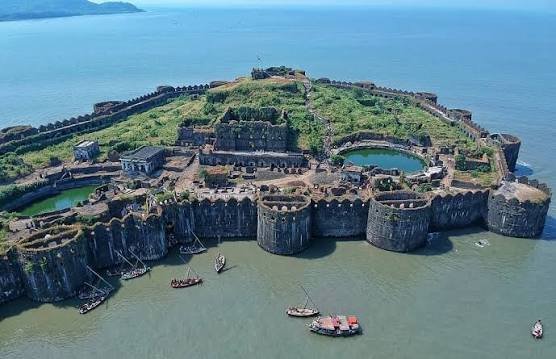
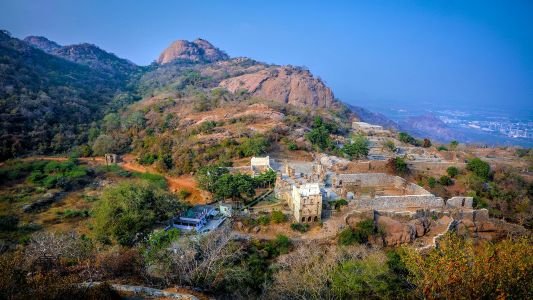
Rajgad Fort carries a nickname that most forts would struggle to live up to — Gadancha Raja, the King of Forts — and yet spend even half a day walking its sprawling plateaus and you’ll understand exactly why Shivaji Maharaj chose this particular hill, out of dozens available in the Sahyadri range, to rule his kingdom from for nearly 25 years.
| Quick Overview | Details |
| Location | Near Gunjavane village, Pune district, Maharashtra |
| Original name | Murumbdev Fort |
| Elevation | Approx. 1,376 metres (4,514 feet) |
| Historical role | Capital of the Maratha Empire (~25 years) |
| Timings | Open 24 hours, all days |
| Entry fee | Free |
| Trek difficulty | Easy to moderate |
| Best time to visit | October to February |
From Murumbdev to the King of Forts
Before it became synonymous with Maratha power, this hill was known as Murumbdev Fort, a relatively modest structure compared to what it would eventually become. Shivaji Maharaj rebuilt and expanded it extensively during the 17th century, transforming it into something far more strategically significant, and then made the decisive choice to establish it as his capital.
For close to 25 years, major decisions of the growing Maratha Empire were made from this hilltop. That’s an unusually long tenure for any single fort to hold such a role, and it speaks to how well Rajgad’s layout — spread across a broad, defensible ridge with multiple fortified sections — suited the demands of running a kingdom rather than simply defending a border.
Padmavati, Suvela, Sanjivani — Understanding the Layout
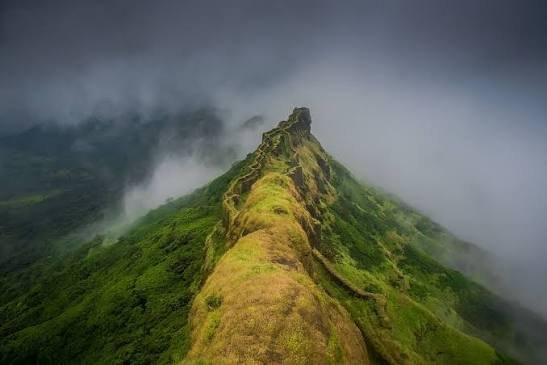
What makes Rajgad genuinely different from most Sahyadri forts is how it’s structured. Rather than a single fortified summit, the fort spreads across three distinct plateaus, or “machis,” radiating from a central stronghold.
- Padmavati Machi — home to the Padmavati Temple, which doubles as shelter for trekkers today, along with Padmavati Lake, historically used for water storage.
- Suvela Machi — a narrow ridge offering some of the fort’s most dramatic panoramic views, and home to Nedha, a naturally formed rock hole that’s become a popular photography spot.
- Sanjivani Machi — one of the most heavily fortified sections, built with multiple layers of defensive walls.
- Balekilla — the central citadel at the heart of the fort, elevated above all three machis, containing caves, water cisterns, and the remains of former palace structures.
Walking between these sections takes real time and effort, which is exactly why a full exploration of Rajgad tends to eat up most of a day rather than a quick couple of hours.
Choosing Your Route Up
Two main trekking routes lead to Rajgad, and picking the right one matters more here than at most forts.
- The Gunjavane village route — the more popular option, involving a moderately steep final climb toward the Chor Darwaza (a historic secret escape gate). Railings support the steeper sections, and it rewards trekkers with a dramatic entry point into the fort.
- The Pali village route — a simpler approach overall, though it takes longer to reach the fort. This is generally the better choice for first-time trekkers or anyone less confident on steep terrain.
- The climb to Balekilla itself, regardless of which route you take to reach the fort, involves steep rock patches fitted with ropes near Padmavati Machi. It’s not technical climbing, but a helmet is strongly recommended, and rushing past the safety ropes isn’t advisable.
Bees are commonly reported around the fort, so it’s worth staying alert and avoiding disturbing any hives you spot along either trail.
Rajgad Fort Timings
The fort remains open around the clock, every day of the week, with no fixed opening or closing hours. This flexibility has made night treks fairly popular among experienced groups, who climb after dark and camp near Padmavati Temple before exploring the fort properly at sunrise. For a standard day visit, though, starting early morning gives you the best combination of cooler weather and enough daylight to comfortably cover all three machis before heading back down.
Rajgad Fort Ticket Fee
Entry to Rajgad Fort is completely free, consistent with most Sahyadri hill forts that function primarily as trekking and heritage sites rather than ticketed monuments. Any costs you incur will typically come from organized trekking packages, which commonly range upward of ₹1,300 to ₹1,400 per person and usually bundle transportation, meals, and a trek leader for groups departing from Pune.
Best Season to Visit
October through February offers the clearest views by a wide margin, with dry trails and skies sharp enough to reveal a panorama of more than twenty surrounding forts from the Balekilla and Suvela Machi viewpoints — a sight that simply isn’t available during other seasons. Monsoon, from July to September, turns the slopes into a genuinely striking green landscape with small waterfalls cascading down the fort walls, though visibility drops considerably in mist and cloud cover, and the trail becomes muddy and slippery enough to warrant real caution, along with leech socks for anyone trekking through the Gunjavane route.
Facts Worth Knowing
- Rajgad served as the Maratha Empire’s capital for nearly 25 years, longer than most other forts associated with Shivaji Maharaj held that role.
- The fort’s original name, Murumbdev, is rarely used today, having been almost entirely replaced by “Rajgad” following Shivaji’s expansion of the site.
- Nedha, the naturally formed rock hole on Suvela Machi, has become one of the most photographed single features on the entire fort.
- Alongside Rajgad, Shivaji also maintained control of nearby forts like Torna and Lingana, forming a connected network of strongholds across the region.
FAQs About Rajgad Fort
Q1. Which trekking route should a first-timer choose — Gunjavane or Pali?
Pali is generally the better choice for beginners, since it offers a simpler approach despite taking longer. Gunjavane’s final climb to Chor Darwaza is more dramatic but noticeably steeper.
Q2. Is a helmet actually necessary for the Balekilla climb, or is that just a precaution?
It’s a genuine safety recommendation, not just caution for its own sake. The rock patches near Padmavati Machi involve fixed ropes on steep sections, and a helmet meaningfully reduces risk if you lose footing.
Q3. Can Rajgad Fort be visited safely at night for a camping trek?
Yes, and it’s a fairly common practice among experienced trekking groups, who camp near Padmavati Temple. It’s best attempted with a knowledgeable guide rather than alone, given the terrain and limited visibility after dark.
Q4. Is one day enough to properly cover all three machis and the Balekilla?
It’s tight but doable for a fit trekker starting early. Many visitors prefer either an early morning start with a full day dedicated to the fort, or an overnight stay to explore at a more relaxed pace.