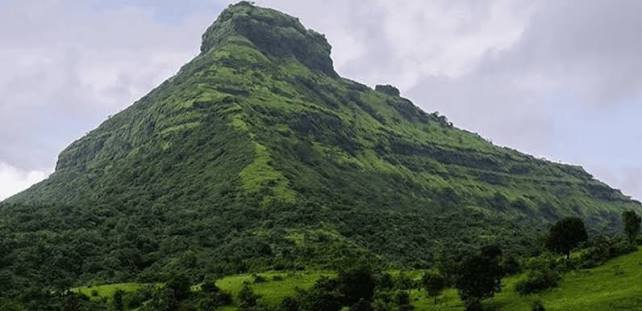
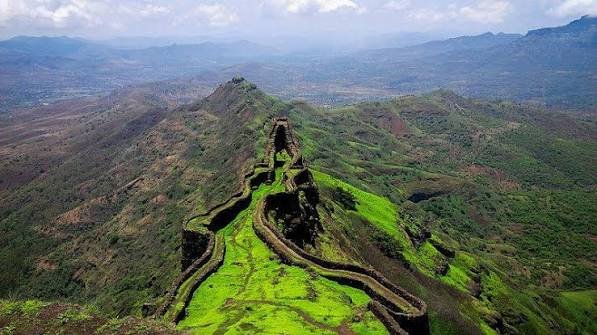
Palakkad Fort owes its very existence to geography — specifically, to the Palakkad Gap, the single most significant natural break in the Western Ghats, and the historic gateway connecting Kerala to Tamil Nadu. Whoever controlled this narrow mountain pass controlled trade and troop movement between two entirely different worlds, and that’s exactly why an 18th-century Mysorean ruler decided this spot needed a serious fortress.
| Quick Overview | Details |
| Location | Heart of Palakkad town, Kerala |
| Also known as | Tipu’s Fort |
| Built by | Hyder Ali |
| Year built | 1766 |
| Timings | 8:00 AM – 6:00 PM (some sources cite 5:30 PM close) |
| Entry fee | Free at general entry; ₹10–25 cited in some sources; ₹20/₹50 camera/video charges |
| Area | Approx. 60,702 sq. metres |
| ASI protected status | Since 2004 |
Guarding the Gap
Hyder Ali, the powerful ruler of Mysore, constructed Palakkad Fort in 1766, recognizing that this location controlled access through the Palakkad Gap, the strategic corridor linking the Malabar coast with Tamil Nadu’s interior. Securing this passage was essential to protecting Mysorean interests in the region and maintaining a firm grip on trade and military movement between the two territories. While some accounts suggest an earlier structure may have existed on this site historically, the fort as it stands today is fundamentally Hyder Ali’s construction.
Following Hyder Ali’s death, his son Tipu Sultan took control of the fort and continued strengthening its fortifications, recognizing its ongoing strategic value as tensions with the British East India Company escalated. The fort played a genuinely pivotal role during the Anglo-Mysore Wars, serving as a stronghold for Tipu Sultan’s forces, and witnessed the significant Battle of Palakkad in 1783. Despite its formidable defenses, the fort ultimately fell to the British in 1790, marking a decisive turning point for Mysorean influence in the region. In the early 1900s, the British converted the fort into a taluk office, a purely administrative function far removed from its original military purpose, before the Archaeological Survey of India formally declared it a protected monument in 2004.
French Walls, Kerala Laterite
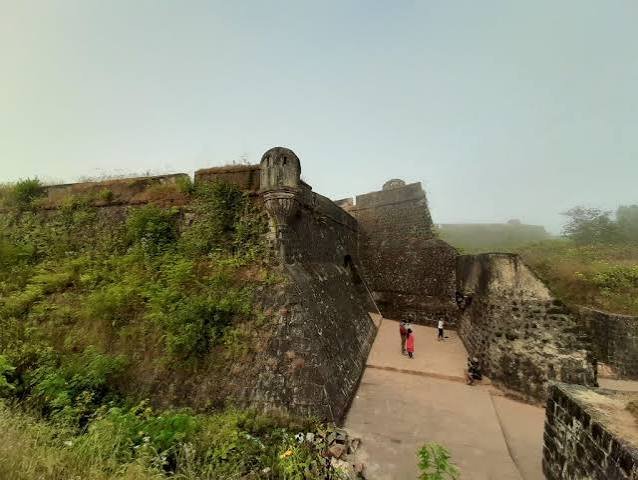
Palakkad Fort’s architecture carries a genuinely distinctive influence: its square-shaped design and defensive layout are often attributed to the skill of French craftsmen, whose expertise was sought out for military fortification design during this period of shifting European and regional alliances across South India. Built primarily from red laterite stone, the fort’s thick walls and robust bastions were engineered to withstand prolonged sieges.
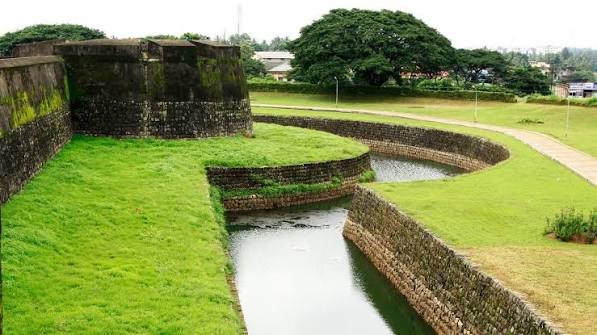
- Water-filled moat — historically crossed via a drawbridge, now replaced by a permanent fixed bridge.
- Bastions and thick perimeter walls — reflecting classic 18th-century military fortification principles adapted to the local laterite building material.
- Entry gates — impressive in scale, hinting at the fort’s original defensive seriousness even in its current, more peaceful civic role.
The contrast between the fort’s giant red laterite walls and the lush greenery surrounding them creates a genuinely striking visual, particularly during the golden light of sunset.
A Fort That’s Still a Public Ground
Unlike many forts that exist purely as ticketed heritage sites, Palakkad Fort remains deeply woven into the everyday civic life of the town. The large open ground adjacent to the fort, known as Kota Maidanam, regularly hosts cricket and football matches, public exhibitions, trade fairs, and political rallies — genuinely active community use rather than a purely historical backdrop.
Within the fort’s grounds, several other features add further layers of interest:
- Anjaneya Swami (Hanuman) Temple — a shrine locally believed to have offered protection to Tipu Sultan and his warriors during their campaigns, blending the fort’s military and spiritual history.
- Martyr’s Column — a memorial commemorating those connected to the fort’s turbulent history.
- Vatika Shilavatika — a garden within the fort grounds, offering a quieter, more contemplative space away from the maidanam’s public activity.
- Palakkad Special Sub Jail — a functioning administrative facility within the fort complex, another example of the site’s continued civic use.
- Rappadi — an open-air auditorium hosting cultural events and performances.
The fort has also developed something of a reputation locally as a popular spot for couples, its atmospheric walls and open grounds drawing visitors of all ages beyond just history enthusiasts.
Palakkad Fort Timings
The fort is generally open daily from 8:00 AM to 6:00 PM, though some sources cite a slightly earlier closing time of 5:30 PM. Given the fort’s largely shade-free grounds, arriving in the morning or closer to closing time in the evening offers considerably more comfortable walking conditions than a midday visit, particularly during Kerala’s warmer months.
Palakkad Fort Ticket Fee
Reported pricing shows some inconsistency worth flagging directly. Several sources describe general entry as free, with additional charges only for cameras (₹20) and video equipment (₹50), while others cite a standard entry fee ranging from ₹10 to ₹25 for Indian visitors, with children up to 15 generally exempt. Given this discrepancy, confirming the current fee structure at the entrance is a sensible precaution before your visit.
Best Time to Visit
October through February brings Kerala’s most comfortable weather for exploring Palakkad Fort’s exposed, largely unshaded grounds, avoiding the intense heat and humidity of the state’s warmer months. Evening visits, timed for sunset, are particularly recommended, since the warm light against the fort’s red laterite walls creates some of the most striking photography conditions of the day.
Facts Worth Knowing
- Palakkad Fort was built specifically to control the Palakkad Gap, the most significant natural pass through the Western Ghats connecting Kerala to Tamil Nadu.
- Though built by Hyder Ali, the fort is popularly named after his son, Tipu Sultan, who further fortified it during his own reign.
- The fort’s adjoining Kota Maidanam remains an actively used public ground today, hosting cricket matches, exhibitions, and political rallies.
- The Anjaneya Swami Temple within the fort is locally believed to have protected Tipu Sultan and his soldiers during their military campaigns.
FAQs About Palakkad Fort
Q1. Is Palakkad Fort suitable for a quick stop, or does it need significant time to explore?
It’s a relatively compact site, and most visitors comfortably cover the main structures, temple, and grounds within 1 to 1.5 hours, making it an easy addition to a broader Palakkad town visit.
Q2. Why is the fort called Tipu’s Fort if it was actually built by his father, Hyder Ali?
The naming reflects Tipu Sultan’s prominent role in further strengthening and using the fort during his own military campaigns, even though the original 1766 construction was undertaken by Hyder Ali.
Q3. Is Palakkad Fort accessible for visitors during local cricket matches or events at Kota Maidanam?
Yes, generally, since the fort itself and the adjacent ground operate somewhat independently. Visiting during an active event can actually add a lively, authentic glimpse into local Palakkad life alongside the historical sightseeing.
Q4. Are there shaded areas within the fort for visitors during hot weather?
Limited. Most of the fort grounds are exposed with minimal tree cover directly around the structure, so carrying water and choosing cooler visiting hours, particularly morning or evening, is genuinely advisable.