Revdanda Fort sits within Chaul, a trading port with roughly 2,000 years of continuous history behind it — one of the longest-running commercial settlements anywhere along the Konkan coast. By the time the Portuguese finally built their fortress here in the 16th century, this stretch of coastline had already changed hands through kings, sultanates, and empires for well over a millennium.
| Quick Overview | Details |
| Location | Revdanda, Chaul village, Raigad district |
| Also known as | Revdanda Agarkot, Fortaleza de Chaul |
| Built by | Portuguese Captain Soj |
| Year built | 1524 CE (some sources cite 1558) |
| Perimeter | Approx. 5 km |
| Captured by Marathas | 1740, under Chimaji Appa |
| Timings | No fixed hours; daylight visits recommended |
| Entry fee | Generally free (verify locally) |
Chaul: Two Thousand Years of Trade
Chaul, known locally in Konkani as Chenwal, carries a documented history stretching back roughly 2,000 years, remaining a major trading port through an extraordinary succession of rulers. Medieval kings like Bhoja in the 12th century and Bimbadev in the 13th governed the region before it fell to the Tughlaq dynasty in the 14th century, followed by the Bahmani Sultanate in the 15th and Nizamshahi rule in the 16th. Throughout every transition of power, Chaul’s role as a bustling commercial port remained constant — a rare continuity that few Indian coastal settlements can claim across so many centuries of shifting rulers.
The Battle That Portugal Nearly Lost Before It Began
Portuguese interest in Chaul began in 1505, though their early presence here was anything but secure. In 1508, a combined force of Egyptian Mamluks and the Gujarat Sultanate delivered a significant defeat to the Portuguese at Chaul — a genuinely rare episode in which regional Muslim powers successfully checked European naval ambitions on the Indian coast, well before Portuguese dominance became the norm elsewhere. It wasn’t until 1521 that the Portuguese secured formal permission from the Nizamshah to establish their first proper settlement at Chaul, laying the groundwork for the fort that would eventually rise here.
From Nizamshahi Ruins to Chimaji Appa’s Conquest
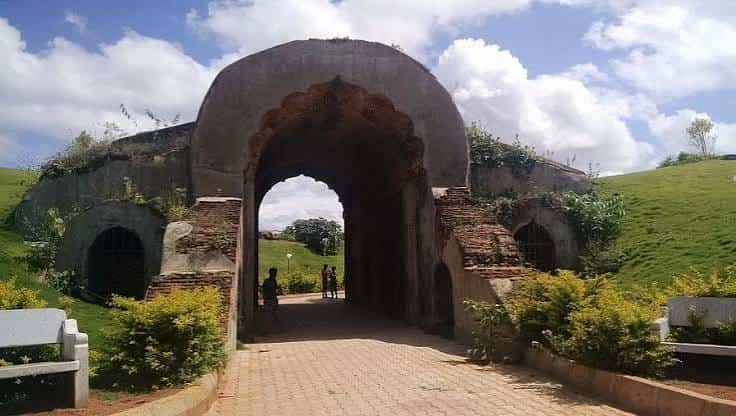
Once established, the Portuguese built Revdanda Fort under Captain Soj, with construction completed in 1524, positioned strategically at the mouth of the Kundalika River. The fort functioned as a genuine self-contained colonial settlement, complete with warehouses, churches, and living quarters, alongside massive ramparts and two main gates — a northern gate connecting to the mainland and a southern gate opening toward the sea via Revdanda creek, where the Portuguese also built a dock that has long since disappeared.
Notably, this wasn’t the only fortification in the area. Nearby stood Agarkot, an earlier Nizamshahi fort later destroyed by the Portuguese themselves, and Rajkot, built by Sambhaji Maharaj, which was later destroyed by the Angre family in 1748. Korlai, known to the Portuguese as Morro de Chaul, still stands on a nearby cliff today. The Marathas finally captured Revdanda in 1740, under the command of Chimaji Appa — the same commander whose forces had defeated the Portuguese at Vasai Fort that same year, making 1740 a genuinely decisive year in ending Portuguese dominance along this stretch of coast. The fort’s control later shifted through Angre hands before finally coming under British rule following the broader collapse of Maratha power in 1818.
A Village Living Inside the Walls
What makes visiting Revdanda Fort today genuinely distinctive is that it isn’t simply an empty ruin — a lively village has grown up entirely within its ancient walls, giving visitors a rare glimpse of daily Konkani life unfolding amid centuries-old fortifications. Massive tree roots have entwined themselves through sections of the crumbling ramparts, creating a genuinely atmospheric, almost mystical visual effect reminiscent of nature slowly reclaiming stone.
- Barbara’s Church ruins — remains of the Portuguese-era church, standing quietly amid overgrown vines, offering a hauntingly beautiful photography spot.
- A bell tower — surviving alongside the church ruins, adding further colonial-era religious character to the site.
- Massive ramparts and bastions — stretching across the fort’s roughly 5-km perimeter, several sections now fused with ancient tree growth.
- The northern and southern gates — historic entry points, one connecting to the mainland and the other once serving as the passage toward the sea.
Revdanda Fort Timings
There’s no formally fixed opening or closing schedule, given the fort’s status as an open public space woven into an active village. Visitors are generally free to explore during daylight hours, with morning visits offering cooler, more comfortable walking conditions and late afternoon providing particularly warm, photogenic light.
Revdanda Fort Ticket Fee
Most visitors experience entry as free, consistent with the fort’s status as an open public space, though fee collection can occasionally vary locally, so checking any on-ground counter or signage is worth doing before your visit.
Best Time to Visit and Getting There
October through February brings the most comfortable weather for exploring the fort’s considerable ruins on foot, while monsoon season, though visually striking, makes the uneven stone surfaces genuinely slippery and should be approached with caution if you’re comfortable with wet, muddy terrain. The fort sits roughly 18 km from Alibaug and 15 km from Kashid, easily reached by road, with the Alibag-Murud road passing directly through the fort area. Most visitors need 60 to 75 minutes for a quick look at the main walls and viewpoints, or up to 2 hours for a more relaxed exploration including photography, and the adjacent Revdanda Beach makes for a natural extension to the visit.
Facts Worth Knowing
- Chaul, where Revdanda Fort stands, carries a documented trading history stretching back roughly 2,000 years, predating the fort itself by many centuries.
- A combined Egyptian Mamluk and Gujarat Sultanate force defeated the Portuguese at Chaul in 1508, a rare early check on European colonial naval power in India.
- Chimaji Appa, the Maratha commander who captured Revdanda in 1740, led the same broader campaign that defeated the Portuguese at Vasai Fort that same year.
- A living village has grown within the fort’s ancient walls, giving visitors a genuine glimpse of daily Konkani life set against centuries-old ruins.
FAQs About Revdanda Fort
Q1. Is Revdanda Fort the same as Agarkot Fort, given both names are used interchangeably?
The names are often used together locally, though historically Agarkot referred to an earlier, separate Nizamshahi fortification in the same Chaul complex, later destroyed by the Portuguese, while Revdanda is the Portuguese-built fort that survives today.
Q2. Is it safe to explore Revdanda Fort given the tree roots overtaking the walls?
Generally yes during daylight hours with reasonable caution, though uneven surfaces and root-covered pathways mean sturdy footwear and careful footing are genuinely important, especially during or after rain.
Q3. Can I combine a visit to Revdanda Fort with Korlai Fort nearby?
Yes, and this is a popular pairing given their shared history and close proximity, offering a fuller picture of the Portuguese-era fortifications that once guarded this stretch of the Chaul coastline.
Q4. Is Revdanda Fort worth visiting alongside Revdanda Beach in the same trip?
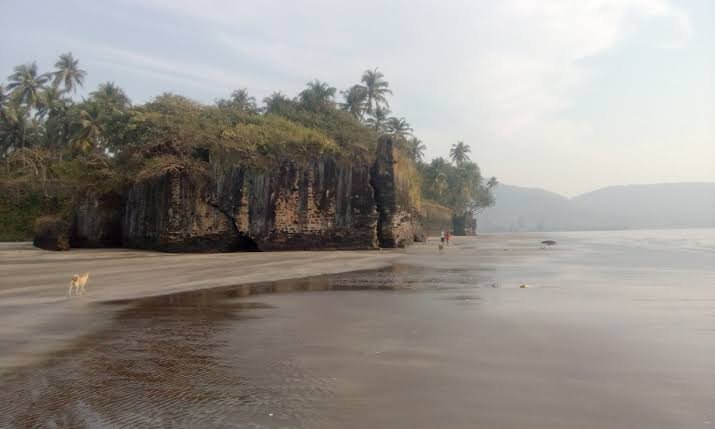
Absolutely, and most visitors do exactly that, since the beach sits directly adjacent to the fort, offering a natural extension for beach walks, camping, or sunset photography after exploring the ruins.