Kondaveedu Fort has changed hands so many times across nine centuries that keeping track of its rulers reads almost like a survey of medieval South Indian power itself — Telugu Chodas, Kakatiyas, the Reddy dynasty, Gajapatis, Bahmani Sultans, Vijayanagara emperors, Golconda Sultans, Mughals, the French, and finally the British all held this hilltop stronghold at different points, making it one of the most fought-over pieces of real estate in Andhra Pradesh’s history.
| Quick Overview | Details |
| Location | Kondaveedu village, Guntur district, Andhra Pradesh |
| Established | 1115 CE, by Gopanna under the Telugu Chodas |
| Reddy capital from | 1353–1355 CE |
| Elevation | Approx. 320 metres (1,050 feet) |
| Timings | 9:00 AM – 5:00 PM, daily |
| Entry fee | Free (parking charges may apply) |
| Status | Largest hill fort in Andhra Pradesh |
| Structures identified | 21, within the main fort |
Nine Rulers, Nine Centuries
Kondaveedu’s documented history begins in 1115 CE, when Gopanna, a commander serving Buddhavarma of the Telugu Choda dynasty, established the earliest fortification on this hill range. The Kakatiyas later strengthened these defenses considerably before the fort entered its most famous chapter: in the early 14th century, Prolaya Vema Reddy, founder of the Reddy dynasty, occupied Kondaveedu and eventually shifted his capital here from Addanki, formally making it the seat of Reddy power by around 1353 to 1355 CE. The Reddy dynasty ruled this region for close to a century, from 1328 to 1428, using Kondaveedu as their political and military heart.
What followed was a genuinely relentless succession of conquest. The Gajapatis of Orissa took control after the Reddys, and in 1458, the Bahmani Sultans destroyed significant portions of the fort. Krishnadevaraya, the celebrated Vijayanagara emperor, captured it in 1516, only for the Golconda Sultans to fight over it three separate times, in 1531, 1536, and finally 1579, when Sultan Quli Qutb Shah took permanent control and renamed the fort Murtuzanagar. The Mughal army under Aurangzeb seized it in 1687, the French took over and fortified it further in 1752, and finally the British held it from 1766 and 1788 before abandoning the site early in the 1800s in favor of developing nearby Guntur instead.
A Buddhist Discovery Beneath a Hindu Temple
Kondaveedu’s history stretches back even further than its medieval fortifications suggest. In early 2019, archaeologists uncovered the remains of a Buddhist stupa hidden beneath a dilapidated Hindu temple within the fort complex, with the stupa dated to the later Satavahana period, roughly the 1st to 2nd century CE. That discovery pushed the site’s known history back by nearly a thousand years before Gopanna’s original fortification, revealing Kondaveedu as a place of continuous human and religious significance stretching across two millennia, not merely a medieval military stronghold.
Twenty-Two Bastions and a Three-Storey Gate
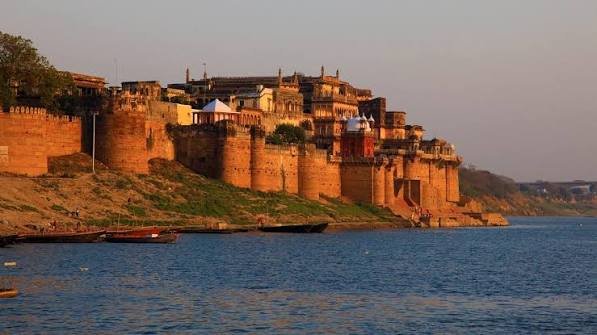
The main fort, built primarily by the Reddy dynasty and refurbished extensively by subsequent rulers, showcases genuinely impressive granite military architecture spread across its hilltop position.
- Two main entry gates — Kolepalli Darwaza and Nadella Darwaza, with the primary entrance built as a massive three-storey structure entirely from granite stone blocks.
- 22 bastions (buruju) — each individually named, including Nemmalla Buruju, which offers the fort’s most celebrated panoramic viewpoint stretching across three kilometres of forested hillside toward NH5; other notable bastions include Tara Buruju (also called Chukkala Konda Buruju), Jetty Buruju, and Sajjamahal Buruju.
- Ramparts, magazines, and warehouses — practical military infrastructure reflecting the fort’s role sustaining a substantial garrison over centuries.
- Granaries and wells — ensuring the fort could withstand prolonged sieges independently.
- 21 identified structures within the main fort — a mix of surviving buildings and ruins that together sketch out the scale of what was once a genuinely major administrative and military center.
Two additional, smaller forts sit along the same narrow hill range as Kondaveedu, both now similarly in ruins, together forming a connected defensive system that once anchored an entire network of roughly 20 smaller regional forts under Reddy control.
Kondaveedu Fort Timings
The fort is open daily from 9:00 AM to 5:00 PM, with no weekly closure. Given the hilltop terrain and considerable distances between the various bastions and structures, arriving earlier in the day offers cooler conditions for what is genuinely a substantial amount of walking and climbing.
Kondaveedu Fort Ticket Fee
There’s no official entry fee to visit Kondaveedu Fort. The only cost visitors typically encounter is a parking charge for vehicles at the base of the hill.
Best Time to Visit and Getting There
October through February brings the most comfortable weather for exploring Kondaveedu’s exposed hilltop terrain and trekking trails, avoiding the harsher heat of the region’s summer months. The fort sits roughly 32 km from Guntur, 58 km from Amaravati, and 73 km from Vijayawada, easily reached by local bus or taxi. Given its proximity to several other notable Andhra Pradesh heritage sites, many visitors combine a Kondaveedu trip with stops at the Amaravati Stupa and Archaeological Museum, the Undavalli Caves, or the Kotappakonda hill temple for a fuller day of regional sightseeing.
Facts Worth Knowing
- Kondaveedu Fort is recognized as the largest hill fort in present-day Andhra Pradesh.
- The fort served as capital to nine or more distinct ruling powers across roughly nine centuries, from the Telugu Chodas through to the British.
- A 2019 archaeological discovery revealed a Buddhist stupa beneath a Hindu temple within the fort, dating the site’s significance back to the Satavahana period.
- The Golconda Sultans fought over Kondaveedu three separate times before finally securing permanent control in 1579 and renaming it Murtuzanagar.
FAQs About Kondaveedu Fort
Q1. How much time should I set aside to properly explore Kondaveedu Fort?
Given its scale, with 21 identified structures and 22 named bastions spread across the hilltop, most visitors need at least 3 to 4 hours to cover the main sites, including the standout Nemmalla Buruju viewpoint.
Q2. Is Kondaveedu Fort suitable for trekking enthusiasts, or is it primarily a drive-up site?
It’s genuinely popular among trekkers, given the hilltop terrain and multiple bastions spread across the ridge, offering a rewarding combination of physical activity and historical exploration.
Q3. Can Kondaveedu Fort be combined with other Amaravati-area attractions in one trip?
Yes, easily. Its proximity to the Amaravati Stupa, Undavalli Caves, and Kotappakonda Temple makes it simple to build a fuller day trip covering several of the region’s major heritage sites.
Q4. Why does Kondaveedu Fort have so many different names across its history?
Each major ruling power left its own mark on the site’s identity — most notably Sultan Quli Qutb Shah’s renaming to Murtuzanagar in 1579 — though “Kondaveedu” has remained the name most consistently used across historical and modern records alike.