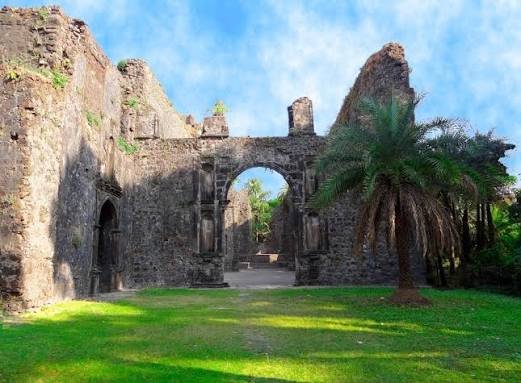
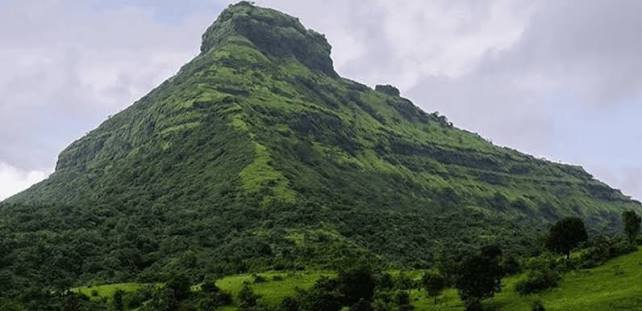
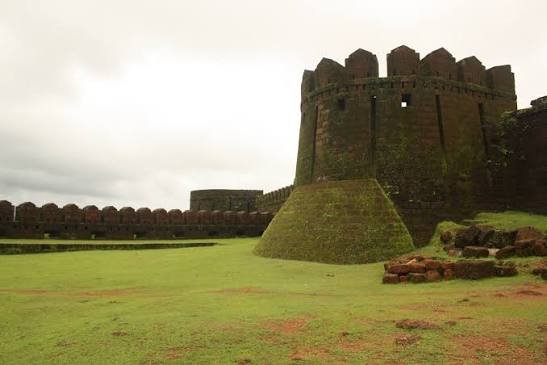
Penukonda Fort got its second act at the worst possible moment in Vijayanagara history — when the great capital of Hampi fell in 1565, this hilltop fortress became the empire’s emergency refuge, the place where a shattered kingdom tried to hold itself together. That single fact makes Penukonda far more historically significant than its relatively modest tourist profile today would suggest.
| Quick Overview | Details |
| Location | Penukonda town, Anantapur district, Andhra Pradesh |
| Meaning | “Big Hill” |
| Original name | Ghanagiri (Ghanadri) |
| Built during | Reign of Virupanna, son of King Bukka I |
| Historical role | Second capital of the Vijayanagara Empire |
| Timings | 9:00/10:00 AM – 5:00/6:00 PM (verify locally) |
| Entry fee | ₹20 (Indian), ₹300 (Foreign) |
| Time needed | 1 to 2 hours |
The Empire’s Second Chance
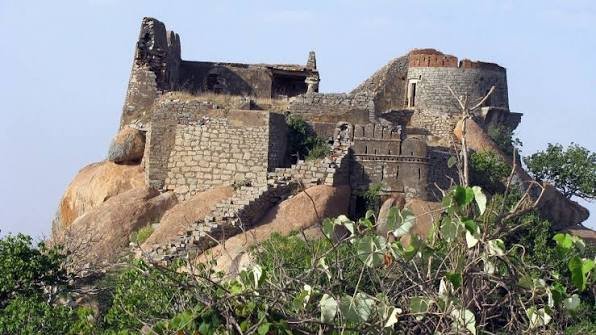
Penukonda Fort’s construction dates back to the rule of Virupanna, son of King Bukka I of the Vijayanagara Empire, on a site historically known as Ghanagiri or Ghanadri before it came to be called Penukonda, meaning simply “big hill.” Built on a rocky elevation naturally fortified by surrounding hills and reinforced further with dug moats, the fort was designed from the outset to be one of the strongest defensive positions within the Vijayanagara realm.
That strength proved decisive in 1565, when the Battle of Talikota shattered Vijayanagara’s capital at Hampi, forcing the empire’s rulers to relocate. Penukonda stepped into the role of second capital during this critical period, becoming the administrative and military center from which the weakened but still-standing Vijayanagara dynasty tried to regroup. Following the empire’s eventual decline, the fort passed to the Sultan of Golconda, later came briefly under the control of the Kingdom of Mysore, and finally fell to British control following Tipu Sultan’s defeat.
The Minister Who Made a King, and Paid For It
Among Penukonda’s quieter but genuinely poignant historical footnotes is the story of Timmarasu, the powerful minister credited with helping Krishnadevaraya ascend to the Vijayanagara throne after his brother’s death. Despite this pivotal role in installing one of Vijayanagara’s greatest rulers, Timmarasu later fell from royal favor — accounts describe him being blinded and imprisoned by the very king he had helped crown.
Timmarasu’s samadhi, along with that of his loyal horse, still exists near Penukonda today, a somber reminder of how quickly political fortune could turn even for the most influential figures of the Vijayanagara court. Visitors interested in the human, rather than purely military, dimension of the empire’s history often find this small memorial one of the fort’s most affecting stops.
A Palace With Two Architectural Souls
Penukonda Fort’s structures reflect a genuinely layered architectural history, blending Hindu, Islamic, and Persian design influences across its palaces, temples, and mosques.
- Gagan Mahal — the fort’s centerpiece palace, built in the 16th century, notable for a genuinely striking architectural fusion: its dome follows Hindu design conventions, while its floor reflects distinctly Islamic construction style, a physical record of the cultural blending that occurred here across successive rulers.
- Sher Khan Mosque — the most significant of several mosques within the fort complex, reflecting the site’s later Islamic-era occupation.
- Ranganatha Swamy Temple — a Hindu temple within the fort grounds, alongside a notably large Hanuman idol that draws devotional visitors.
- Granary and gateways — practical infrastructure reflecting the fort’s role as a self-sufficient administrative and military center.
- Watchtowers — offering sweeping views over the surrounding countryside and the town of Penukonda below.
- Babayya Darga — a shrine reflecting yet another layer of the site’s religious diversity.
Penukonda Fort Timings
Reported timings show some inconsistency across sources, with figures ranging from 9:00 AM to 6:00 PM at some listings, and a narrower 10:00 AM to 5:00 PM window at others. Given this variation, and the possibility of adjusted hours around public holidays or special events, confirming current timings with local tourism authorities before your visit is a sensible precaution.
Penukonda Fort Ticket Fee
Entry pricing is generally cited at ₹20 for Indian nationals and ₹300 for foreign tourists. Visitors should note that food items, plastic bags, and alcohol are not permitted within the fort premises, a restriction worth planning around before arrival.
Best Time to Visit and Getting There
October through February brings the most comfortable weather for exploring Penukonda’s exposed hilltop terrain, avoiding the considerably harsher heat of the region’s summer months. The fort sits roughly 70 km from Anantapur and about 210 km from Bengaluru, making it a practical weekend trip destination, particularly for travelers already visiting nearby Puttaparthi, which sits just 85 km away. The fort is also commonly combined with a visit to the famous Lepakshi temple complex, situated within a reasonable driving distance for a fuller heritage circuit through the region.
Facts Worth Knowing
- Penukonda Fort served as the second capital of the Vijayanagara Empire following the fall of Hampi after the 1565 Battle of Talikota.
- The fort’s Gagan Mahal features a genuinely distinctive architectural blend, combining a Hindu-style dome with an Islamic-style floor design within the same structure.
- Timmarasu, the minister who helped crown Krishnadevaraya, was later blinded and imprisoned; his samadhi still stands near the fort as a quiet historical footnote.
- The fort’s control passed through the Vijayanagara Empire, the Sultanate of Golconda, the Kingdom of Mysore, and finally the British, reflecting the region’s shifting power over several centuries.
FAQs About Penukonda Fort
Q1. Is Penukonda Fort worth visiting if I’m already planning a trip to Hampi?
Yes, particularly for those interested in the full arc of Vijayanagara history, since Penukonda represents the empire’s crucial second chapter after Hampi’s fall, offering a genuinely different, less crowded perspective on the same historical dynasty.
Q2. How much time should I realistically budget for a Penukonda Fort visit?
Most visitors comfortably explore the main structures, including Gagan Mahal and the surrounding gateways and temples, within 1 to 2 hours, making it a manageable half-day stop alongside other regional attractions.
Q3. Can Penukonda Fort be combined with a visit to Lepakshi in the same trip?
Yes, and this is a common pairing for travelers exploring the region’s Vijayanagara-era heritage sites, given the reasonable driving distance between the two locations.
Q4. Are guided tours available on-site at Penukonda Fort?
Not consistently. Visitors are generally advised to arrange guided tours in advance through local travel agencies or the Andhra Pradesh Tourism Development Corporation, or to hire a local guide independently upon arrival.