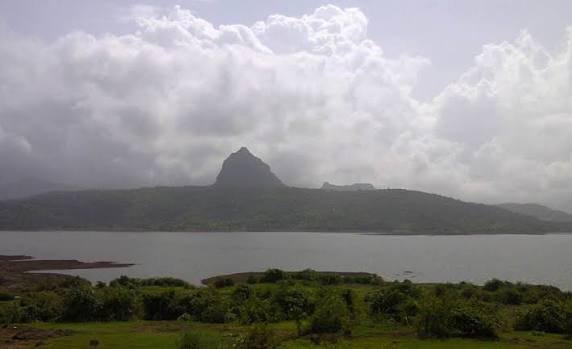
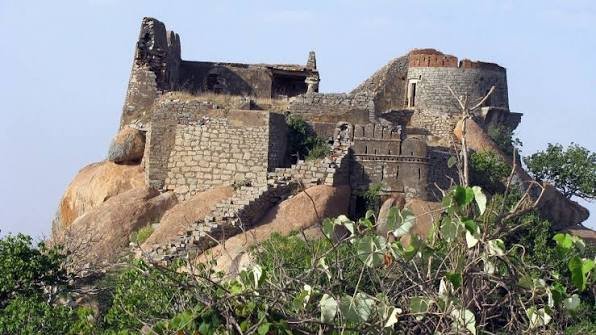
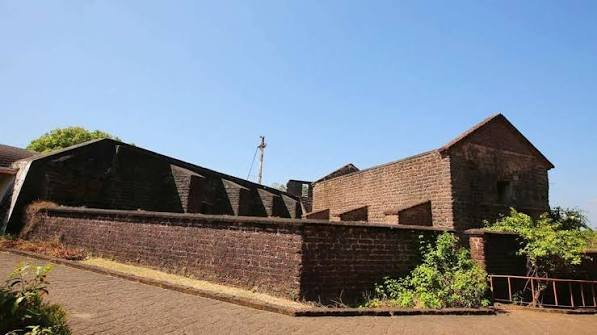
Raja Man Singh I laid the foundation of Amer Fort in 1592, and what began as a modest hilltop citadel eventually grew into one of the most visited monuments in Rajasthan, drawing over a million tourists every year to its sandstone-and-marble courtyards above Maota Lake. Built by successive Kachhwaha rulers over nearly a century, Amer Fort remains the single most photographed heritage site in Jaipur, and understanding its history, current timings, and ticket fee structure helps travellers plan a visit that doesn’t get swallowed up in queues or confusion over pricing.
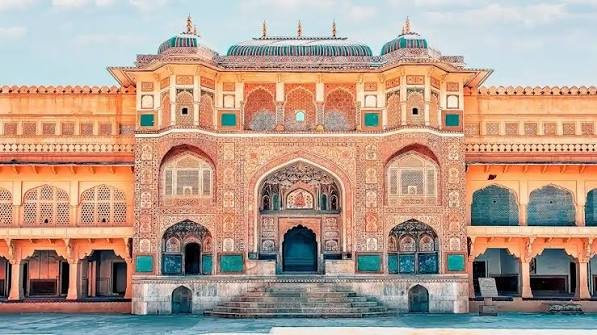
Amer Fort Overview
| Aspect | Details |
| Location | Devisinghpura, Amer, Jaipur, Rajasthan 302001 |
| Built By | Raja Man Singh I (started 1592); expanded by later Kachhwaha rulers |
| Architecture Style | Rajput-Mughal fusion, sandstone and marble |
| Distance from Jaipur City | Approx. 11 km |
| Opening Hours | 8:00 AM – 5:30 PM (last entry around 5:00 PM) |
| Weekly Holiday | None; open all days including national holidays |
| Light & Sound Show | English show ~6:30-7:00 PM; Hindi show ~7:30-8:00 PM (seasonal shift) |
| Entry Fee (Indian Adult) | ₹100 per person |
| Entry Fee (Indian Student) | ₹20-50 with valid ID |
| Entry Fee (Foreign Tourist) | ₹500 per person |
| Audio Guide | Approx. ₹150-200 extra |
| Elephant Ride | Approx. ₹1,100-1,200 per elephant (2 persons) |
| Jeep Ride Up the Hill | Approx. ₹300-400 for a group |
| Best Time to Visit | October to March |
| Ideal Visit Duration | 2-3 hours |
The Story Behind Amer Fort
Amer Fort’s history stretches back further than its current structure suggests. The site was originally held by the Meena rulers before the Kachhwaha Rajputs took control, and Raja Man Singh I, a trusted general in Emperor Akbar’s court, began construction of the fort we see today in the late 16th century. Successive rulers, particularly Raja Jai Singh I, kept adding palaces, gardens, and gates over the following decades, which is why the fort feels less like a single building and more like a layered complex of courtyards.
For nearly 150 years, Amer served as the capital of the Kachhwaha dynasty until Sawai Jai Singh II shifted the capital to the newly planned city of Jaipur in 1727. Even after that move, Amer Fort retained its ceremonial importance, and its blend of Rajput military design with Mughal decorative elements makes it a rare example of two architectural traditions coexisting in one structure. In 2013, the fort was recognised as part of the UNESCO World Heritage Site “Hill Forts of Rajasthan,” cementing its status beyond just a tourist attraction.
Amer Fort Timings and Best Time to Visit
The fort opens daily at 8:00 AM and closes by 5:30 PM, with the ticket counter typically stopping fresh entries around 5:00 PM. There is no weekly closure, so it’s accessible on Sundays and most public holidays, though it’s worth checking locally during major festivals like Holi when schedules can shift slightly.
- Arrive between 8:00 and 10:00 AM to beat both the heat and the tour-bus crowds.
- Winter months (October to March) offer the most comfortable walking and photography conditions.
- Summer visitors (April to June) should avoid the midday hours between 12:00 and 3:00 PM.
- The evening light-and-sound show runs separately from daytime fort access and requires its own ticket.
- Monsoon season (July-September) sees fewer tourists and a dramatically greener backdrop around Maota Lake.
Ticket Fee Structure
Amer Fort pricing is split by nationality and age group, and it’s worth knowing these before you reach the counter since online resellers sometimes inflate the actual rate.
- Indian adults: around ₹100 per person for standard entry.
- Indian students: discounted rate (roughly ₹20-50) with a valid student ID card.
- Foreign tourists: approximately ₹500 per person.
- Children below 7 years: usually free of charge.
- Audio guide: an additional rental fee, useful for understanding the fort’s layout without hiring a human guide.
- Elephant or jeep ride up the hill: charged separately and not included in the base entry fee.
Ticket prices are periodically revised by the Rajasthan tourism department, so it’s sensible to confirm the current rate at the counter or through the official state booking portal before your visit, rather than relying solely on older printed guides.
What to See Inside Amer Fort
The fort complex is divided into four main courtyards, each built for a different purpose, and walking through them in sequence tells the story of how Rajput royal life was structured.
- Diwan-e-Aam (Hall of Public Audience): where the king addressed the general public and heard petitions.
- Sheesh Mahal (Mirror Palace): famous for its mirror-and-glass mosaic ceiling, said to reflect even a single candle’s light across the room.
- Sukh Niwas: a chamber once cooled naturally through a clever water channel and air system, an early example of passive cooling architecture.
- Ganesh Pol: an ornately painted gateway separating the public and private sections of the palace.
- Zenana Courtyard: the private quarters historically reserved for the royal women of the household.
Lesser-Known Facts About Amer Fort
- The fort is connected to the neighbouring Jaigarh Fort through an underground passage, reportedly built as an escape route during times of siege.
- Maota Lake, sitting right below the fort, was once the primary water source for the entire royal complex.
- Several Bollywood films, along with scenes for the Hollywood production “The Best Exotic Marigold Hotel,” have been shot within the fort’s courtyards.
- The Sheesh Mahal’s mirror work was done using materials imported from Belgium during the Mughal period.
- Elephant rides up the ramp were once the primary mode of royal transport into the fort and are now offered purely as a heritage tourist experience.
Travel Tips for a Hassle-Free Amer Fort Visit
- Book tickets online in advance through the official Rajasthan tourism portal to skip the counter queue.
- Wear comfortable walking shoes, since the fort involves uneven stone flooring and several staircases.
- Carry water, especially if visiting between March and June.
- Hire an official guide near the entrance if you want detailed historical context beyond the audio guide.
- Combine your visit with nearby Jaigarh Fort, since both share a common ridge and can be covered in a single day.
FAQs
Q1. Is it better to visit Amer Fort in the morning or evening?
Morning visits (8:00-10:00 AM) offer cooler weather and thinner crowds, making it easier to explore courtyards like Sheesh Mahal without rushing; evenings are better reserved for the light-and-sound show.
Q2. Can I buy Amer Fort tickets online, or only at the gate?
Both options exist — the official Rajasthan tourism portal allows advance online booking, which is generally faster than standing in the on-site queue, especially during peak season.
Q3. Is the elephant ride included in the entry ticket?
No, the elephant ride and jeep ride up the hill are charged separately from the base entry fee and need to be booked independently at the ticket counter or ride point.
Q4. How much time should I keep aside for Amer Fort?
Most visitors need about 2-3 hours to comfortably cover the main courtyards and palaces; add extra time if you plan to hire a guide or explore the connecting passage toward Jaigarh Fort.