Yellur Fort wasn’t built to be a capital or a royal residence — it was built to watch. Perched at 2,500 feet above Belagavi, this modest hilltop fortress served as an early-warning outpost for the much larger Belagavi Fort below, its sentries scanning the horizon specifically for threats approaching from the direction of Goa and Karwar.
| Quick Overview | Details |
| Location | Yellur village, near Belagavi, Karnataka |
| Also known as | Rajhansgad, Rajhunsgad, Yellur Gad |
| Built by | Ratta dynasty (12th century) |
| Stone renovation | Asad Khan Lari, Bijapur Sultanate noble |
| Elevation | 2,500 feet (762 metres) |
| Timings | Open 24 hours |
| Entry fee | Free |
| Function | Watchtower for Belagavi Fort |
Built to Watch the Coast for Belagavi Fort
Yellur Fort’s origins trace back to the Ratta dynasty in the 12th century, though the structure most visitors encounter today largely reflects a later, more substantial renovation carried out in stone by Asad Khan Lari, a Persian noble serving the Bijapur Sultanate, undertaken around the same period as the construction of the larger Belagavi Fort nearby. That timing wasn’t coincidental — Yellur was specifically designed to function as a strategic outpost for its bigger sibling, giving sentries an elevated vantage point to spot approaching threats from Goa and Karwar long before they reached the main fort below.
Over the following centuries, the fort found itself drawn into several regional conflicts, including clashes between the Nawabs of Savanoor and the Peshwas, later fighting between the Peshwas and Tipu Sultan, and skirmishes between Bhimgad Fort and Rajhansgad forces. During British rule, the fort maintained a garrison of roughly 100 soldiers, supplied with war weapons, food, and water by the rulers of Belagavi — a modest but consistent military presence reflecting the site’s continued strategic relevance well into the colonial period.
An Entrance Designed to Scrutinize You
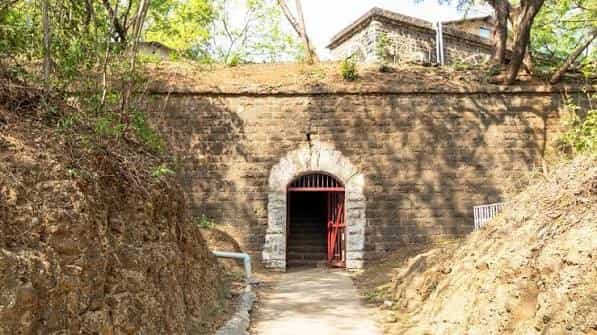
Yellur Fort’s most striking architectural feature is its elaborate Gomukhi-style entrance, an arched doorway specifically designed to allow defenders to scrutinize approaching visitors from multiple angles before granting access — a deliberately cautious security design reflecting genuine defensive sophistication for a fort of this modest scale.
- A well-preserved ancient well — complete with sturdy stone steps and a working pulley system for drawing water, showcasing genuine engineering ingenuity.
- Hidden passages — adding a sense of mystery to the fort’s otherwise straightforward layout.
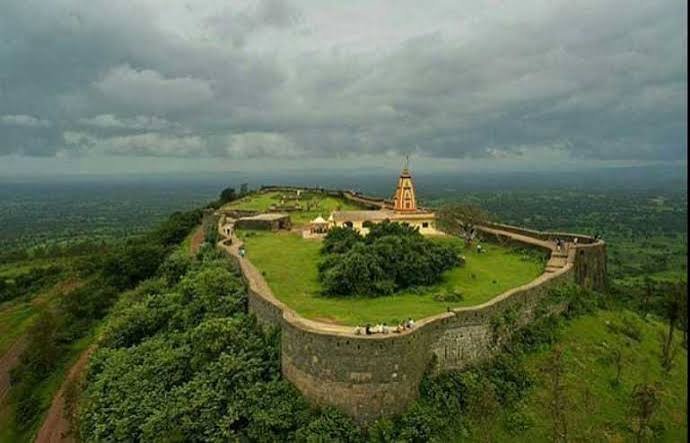
- Five distinct levels — the hillock itself rises through five separate tiers, offering changing perspectives and views as visitors climb toward the summit.
- Distinctive white, bauxite-rich soil — a genuinely unusual geological feature, with the hillock’s shining white ground reflecting traces of bauxite, the principal ore used in aluminum production.
What Survives Today
Within the fort’s walls, several features reflect its centuries of continuous, if modest, use.
- Lord Shiva Temple — positioned at the fort’s center, still actively visited by devotees, particularly on Mondays.
- A rustic well — situated beside the temple, now covered with protective netting.
- A former armory area — now standing empty, but historically believed to have stored arms and ammunition for the fort’s garrison.
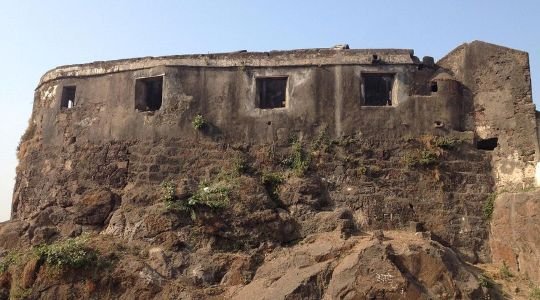
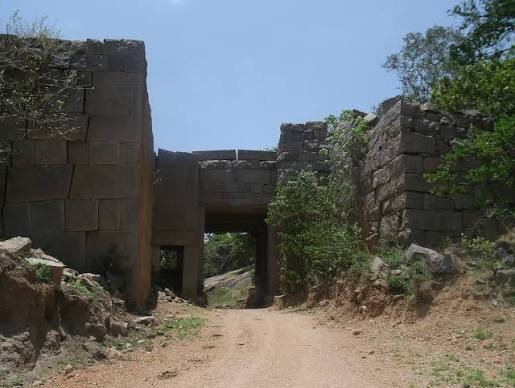
- Remnants of walls and bastions — reflecting the fort’s original defensive architecture, though much of the structure remains in a ruined state today.
Yellur Fort Timings
The fort is open 24 hours a day, with no formally restricted visiting window, though visiting during daylight hours is genuinely recommended given the exposed hilltop terrain and limited facilities on-site after dark.
Yellur Fort Ticket Fee
There’s no entry fee to visit Yellur Fort. A small snack shop and a few vendors selling water and light snacks operate near the site, though extensive food options aren’t available, and functional restroom facilities are limited, so planning accordingly is worthwhile.
Best Time to Visit and Getting There
October through February brings the most comfortable weather for exploring the fort’s five-level hillock terrain and enjoying the panoramic views over Belagavi city and the surrounding villages of Sulebhavi-Balekundri, Ambewadi, and Yellur, known for their rich paddy, lentil, and vegetable farming. Visitors can reach the fort either by a short trek or directly by local vehicle, with road access leading straight to the main entrance. Given its role as Belagavi Fort’s watchtower, many visitors combine a Yellur trip with a visit to the larger fort in the city itself, which carries its own significant history, including Mahatma Gandhi’s imprisonment there in 1924 during the freedom struggle.
Facts Worth Knowing
- Yellur Fort was specifically built and later renovated to serve as a strategic watchtower for the larger Belagavi Fort below.
- The fort’s Gomukhi-style entrance was designed to allow defenders to examine visitors from multiple angles before granting access.
- The hillock’s distinctive white soil contains traces of bauxite, the principal ore used to produce aluminum.
- The fort maintained a garrison of roughly 100 soldiers under British rule, supplied by the rulers of Belagavi.
FAQs About Yellur Fort
Q1. Is Yellur Fort worth visiting alongside Belagavi Fort in the same trip?
Yes, genuinely so, given their direct historical connection — Yellur served as a watchtower for Belagavi Fort, and combining both offers a fuller picture of the region’s layered defensive history, including Belagavi Fort’s own significant freedom-struggle connections.
Q2. Are there proper restroom and food facilities available at Yellur Fort?
Limited. A small snack shop and a few vendors offer basic water and snacks, but extensive food options and functional restrooms aren’t consistently available, so carrying your own supplies is advisable.
Q3. Is Yellur Fort accessible by vehicle, or is trekking required?
Both options work — visitors can reach the summit by local vehicle via the road leading directly to the main entrance, or opt for a short trek for a more active approach.
Q4. Is Yellur Fort suitable for a family outing or picnic?
Yes, it’s commonly recommended for family outings and picnics, given its manageable scale, panoramic views, and peaceful surroundings, though visitors should bring their own food and water given the limited on-site options.